

Is Almond Meal the Same as Almond Flour? Understanding the Differences
In the world of gluten-free and low-carb baking, almond flour and almond meal have gained immense popularity. Both are made from ground almonds, but they are not interchangeable in every recipe. This article will explore the distinctions between almond meal and almond flour, their nutritional profiles, and when to use each in your culinary endeavors.
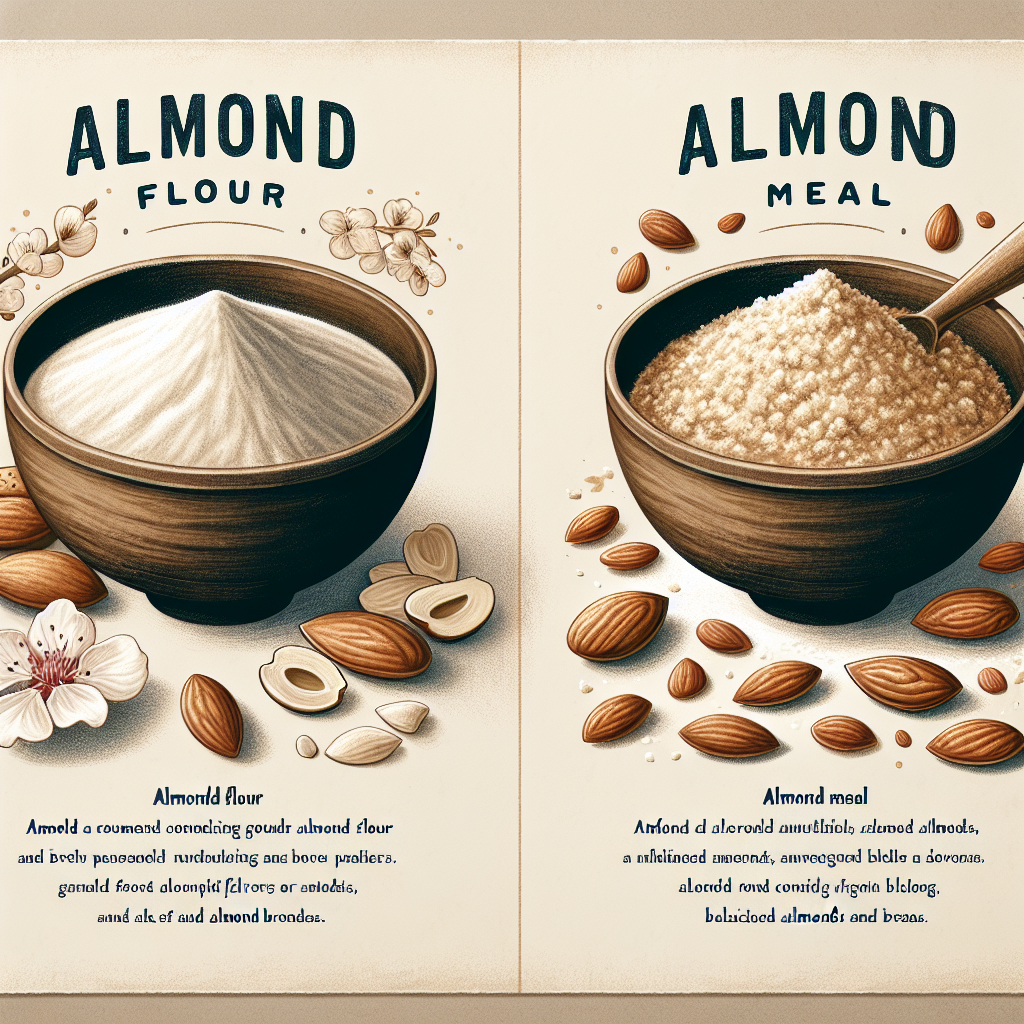
Almond flour is a finely ground product made from blanched almonds—almonds that have had their skins removed. The process involves soaking the almonds in boiling water to loosen the skins, which are then removed before grinding the nuts into a fine powder. This results in a pale, off-white flour that has a mild flavor and a smooth texture. Almond flour is known for its versatility in baking, making it an excellent substitute for traditional wheat flour in many recipes, especially those requiring a light and fluffy texture, such as cakes and cookies.
Almond flour is low in carbohydrates and rich in healthy fats, protein, and vitamins. A typical 1/4-cup serving contains approximately 180 calories, 6 grams of carbs, 2 grams of fiber, and 6 grams of protein. Its nutrient density makes it a favored choice among those following low-carb, gluten-free, or paleo diets.
Almond meal, on the other hand, is made from whole, unpeeled almonds. This means that the skins are included in the final product, giving almond meal a coarser texture with brown specks. The presence of almond skins not only affects the texture but also contributes a slightly nuttier and sometimes more bitter flavor compared to almond flour. Almond meal is often used in savory dishes or as a breadcrumb substitute due to its heartier texture.
Almond meal shares a similar nutritional profile with almond flour, offering around 180 calories, 6 grams of carbs, and 6 grams of protein per 1/4-cup serving. However, it tends to have a higher fiber content (about 3 grams) because of the almond skins, along with increased levels of vitamins and antioxidants. This makes almond meal a more nutrient-dense option, particularly in terms of fiber and antioxidant properties.
While almond meal and almond flour can often be used interchangeably in recipes, knowing when to use each can enhance your culinary results:
In summary, almond meal and almond flour are both excellent alternatives to traditional wheat flour, catering to various dietary needs. While they share similarities, their differences in texture, flavor, and nutritional content can significantly impact your recipes. Understanding these distinctions will help you choose the right ingredient for your cooking and baking endeavors, ensuring delicious results every time. Whether you opt for almond meal or almond flour, both are nutritious options that can elevate your dishes to new heights.
Almond flour is made from blanched almonds and has a fine, powdery texture, while almond meal is made from whole, unpeeled almonds, resulting in a coarser texture with brown specks.
Use almond flour for baking delicate items like cakes, muffins, and pastries where a smooth texture is important. It helps achieve a light and fluffy finish.
Yes, almond meal is generally more nutrient-dense as it contains higher fiber, vitamins, and antioxidants due to the inclusion of almond skins, compared to almond flour.
While they can sometimes be substituted for each other, it's best to choose based on the desired texture and flavor of the dish. Almond flour is better for sweet baked goods, while almond meal works well in savory dishes.
 Get Wholesale pricingReduce ingredient costs by 5-10%

Delicious Almond Flour Cookie Recipe: A Gluten-Free Treat
Almond flour cookies are a delightful alternative to traditional cookies, offering a gluten-free, grain-free option that is both tasty and easy to make. Whether you're following a specific diet or just looking for a healthier dess...

Does Almond Flour Have Gluten? A Comprehensive Guide
Almond flour has gained immense popularity in recent years, especially among those following gluten-free, paleo, or low-carb diets. But a common question arises: does almond flour have gluten? In this article, we will explore the ...

Almond Flour Spaetzle Recipe: A Delicious Gluten-Free Twist
If you're looking for a unique and tasty dish that caters to gluten-free diets, almond flour spaetzle is an excellent choice. This traditional German noodle dish has been adapted to accommodate those who are avoiding wheat, making...

Gluten-Free Yeast Bread Recipe with Almond Flour
Are you looking for a delicious gluten-free bread recipe that uses almond flour? This guide will walk you through creating a soft and fluffy almond flour bread without the need for traditional yeast, making it perfect for those wi...
Ready to source an ingredient?
Whether you’re struggling to find the perfect ingredient, racing against the clock, or simply don’t have the bandwidth to manage sourcing — we’ve got your back.
Get a Free Sourcing Audit Reviews
Savings is BIG but the relationship value is MASSIVE! Glad we met when we did. Looking forward to building this partnership with you and David.
Yohan, here to say you’re one of my favorite suppliers. Aside from your high quality ingredients, you’re so great to work with. Thanks for all the help you’ve given us this year.
Working with Global Savors and Yohan has been very smooth when sourcing ingredients. They offer a great selection and and cost savings! Yohan has been awesome to work with and we look forward to continuing business together.






Global Savors is your trusted partner for seamless ingredient sourcing, offering end-to-end solutions that streamline procurement, simplify logistics, and elevate your supply chain efficiency.
View More News
© 2026 Copyrights by Global Savors. All Rights Reserved