


What Kind of Fat is Soybean Oil?
TL;DR
Soybean oil is predominantly composed of polyunsaturated fats, particularly omega-6 fatty acids, alongside a moderate amount of monounsaturated and a smaller percentage of saturated fats. It is recognized for its potential heart-health benefits and is a rich source of vitamin E. While it can be a healthy addition to the diet, moderation is key due to its omega-6 content.
Soybean oil is one of the most widely used cooking oils globally, known for its neutral flavor and versatility in various culinary applications. As a staple in many kitchens, understanding the type of fat it contains and its health implications is essential for making informed dietary choices. This article explores the composition of soybean oil, its health benefits, and considerations for its consumption.
Soybean oil comprises approximately:
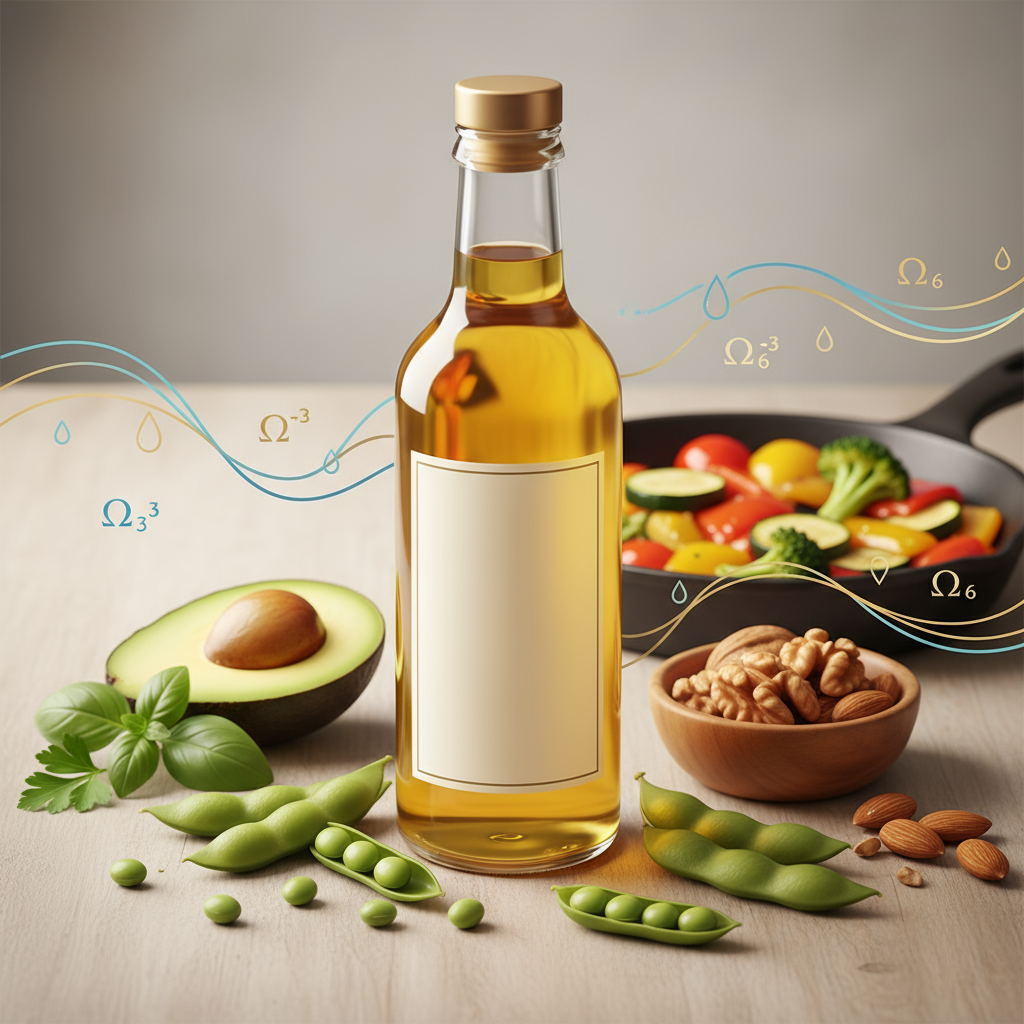
Soybean oil is notable for its high omega-6 content, contributing to over 40% of the U.S. intake of essential fatty acids. It also contains a significant amount of omega-3 fatty acids, which are less common in most vegetable oils. The balance of these fatty acids is important for maintaining overall health (SNI Institute).
The U.S. Food and Drug Administration (FDA) has acknowledged soybean oil for its potential cardiovascular benefits. A qualified health claim suggests that consuming about 1.5 tablespoons daily may reduce the risk of coronary heart disease, provided it replaces saturated fats in the diet (SNI Institute). The polyunsaturated fats in soybean oil can help lower blood cholesterol levels and improve insulin sensitivity, potentially reducing the risk of diabetes (Soy Connection).
In addition to its fatty acid composition, soybean oil is a source of vitamin E, an antioxidant that supports skin health and may help maintain bone strength (Healthline). The oil's nutrient profile makes it a valuable addition to a balanced diet.
While soybean oil has many health benefits, it is crucial to consume it in moderation, primarily due to its high omega-6 content. Excessive intake of omega-6 fatty acids, particularly without adequate omega-3 intake, can lead to imbalances that may negatively affect health (Healthline).
Highly refined soybean oil is generally safe for individuals with soy allergies, as it undergoes processing that removes allergenic proteins (SNI Institute). This makes it a suitable option for many who might otherwise need to avoid soy products.
Soybean oil is a versatile cooking oil rich in polyunsaturated fats, particularly omega-6 fatty acids, and is recognized for its potential heart health benefits. Its nutrient profile, including vitamin E, adds to its appeal in a balanced diet. However, moderation is essential to avoid excessive omega-6 intake. When used wisely, soybean oil can be a healthy addition to your culinary repertoire.
Soybean oil primarily contains polyunsaturated fats (55-58%), especially omega-6 fatty acids, along with monounsaturated fats (22-30%) and a smaller amount of saturated fats (12-15%).
Soybean oil is recognized for its potential heart health benefits, as it may lower cholesterol levels and improve insulin sensitivity. It is also a good source of vitamin E, which supports skin health and bone strength.
Moderation is key when consuming soybean oil due to its high omega-6 content. The FDA suggests that about 1.5 tablespoons daily may reduce the risk of coronary heart disease if it replaces saturated fats in the diet.
Highly refined soybean oil is generally safe for those with soy allergies, as the refining process removes allergenic proteins, making it a suitable cooking option for many.
 Get Wholesale pricingReduce ingredient costs by 5-10%
Is Soybean Oil Keto-Friendly?
TL;DR Yes, soybean oil is keto-friendly due to its zero carbohydrate content, making it suitable for a ketogenic diet. While it can fit into your keto meal plan without disrupting ketosis, it's essential to consider the overall ba...
What is Soybean Oil? A Comprehensive Guide
TL;DR Soybean oil is a versatile vegetable oil extracted from soybeans, widely used in cooking, baking, and food processing. It is rich in polyunsaturated fats, particularly omega-6 fatty acids, and has a high smoke point, making ...

Can You Fry a Turkey in Soybean Oil? A Complete Guide
TL;DR Yes, you can fry a turkey in soybean oil, which has a smoke point of 450°F, making it suitable for deep frying. While peanut oil is often recommended for its flavor and high smoke point, soybean oil is a viable alternative. ...

Can Dogs Have Soybean Oil? A Comprehensive Guide
TL;DR Soybean oil is generally safe for dogs in moderation and can provide several nutritional benefits. While it is a source of healthy fats and may help with skin conditions, some dogs may experience digestive issues or allergie...
Ready to source an ingredient?
Whether you’re struggling to find the perfect ingredient, racing against the clock, or simply don’t have the bandwidth to manage sourcing — we’ve got your back.
Get a Free Sourcing Audit Reviews
Savings is BIG but the relationship value is MASSIVE! Glad we met when we did. Looking forward to building this partnership with you and David.
Yohan, here to say you’re one of my favorite suppliers. Aside from your high quality ingredients, you’re so great to work with. Thanks for all the help you’ve given us this year.
Working with Global Savors and Yohan has been very smooth when sourcing ingredients. They offer a great selection and and cost savings! Yohan has been awesome to work with and we look forward to continuing business together.






Global Savors is your trusted partner for seamless ingredient sourcing, offering end-to-end solutions that streamline procurement, simplify logistics, and elevate your supply chain efficiency.
View More News
© 2026 Copyrights by Global Savors. All Rights Reserved