

Is Soybean Oil Keto-Friendly?
TL;DR
Yes, soybean oil is keto-friendly due to its zero carbohydrate content, making it suitable for a ketogenic diet. While it can fit into your keto meal plan without disrupting ketosis, it's essential to consider the overall balance of your diet, as soybean oil is highly processed and contains a high proportion of omega-6 fatty acids. For optimal health, it should be used in moderation alongside other healthier fats.
As the ketogenic diet gains popularity, many individuals are looking for suitable cooking oils that align with their low-carb lifestyle. One question that often arises is whether soybean oil is a good choice for those following a keto diet. This article will explore the keto-friendliness of soybean oil, its nutritional profile, and how to incorporate it into your meals effectively.
Soybean oil is derived from the seeds of the soybean plant and is commonly used in cooking due to its mild flavor and high smoke point. It contains 0g of net carbs per 100g, making it a potential fit for a ketogenic diet focused on low carbohydrate intake.
In a typical serving of 100g, soybean oil provides:
This composition indicates that soybean oil is primarily a source of fat, which is crucial for maintaining the high-fat ratio needed in a ketogenic diet.
Yes, soybean oil can be included in a strict keto diet. It meets the macronutrient criteria with 0g net carbs, allowing it to be consumed without affecting ketosis. However, it's essential to balance soybean oil with other nutrient-dense, keto-friendly foods to ensure a well-rounded diet.
While soybean oil is keto-friendly, there are several health considerations to keep in mind:
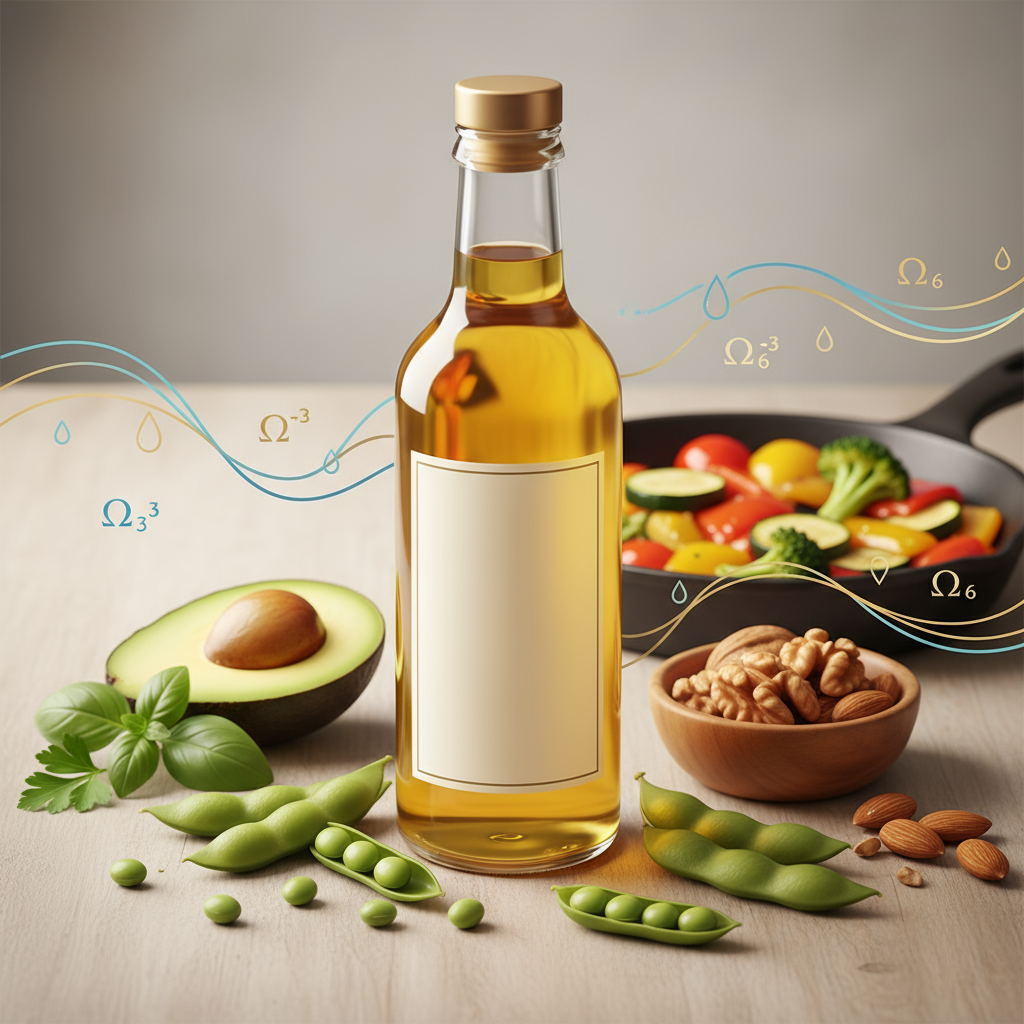
Omega-6 Fatty Acids: Soybean oil is high in omega-6 fatty acids, which can promote inflammation if not balanced with omega-3 fatty acids. To mitigate this, consider incorporating omega-3-rich foods such as fatty fish, flaxseeds, or walnuts into your diet.
Processing Concerns: Soybean oil is highly processed, which can lead to the formation of harmful compounds when exposed to high heat. It's advisable to limit the use of highly processed oils in favor of more natural options like olive oil or avocado oil.
Antioxidant Properties: The presence of Vitamin E in soybean oil may provide antioxidant benefits, helping to protect cells from oxidative stress, which can be beneficial in a high-fat diet.
Soybean oil's versatility makes it easy to incorporate into various dishes. Here are some practical tips:
While soybean oil can fit into a keto diet, consider these healthier alternatives that offer additional benefits:
In summary, soybean oil is keto-friendly due to its zero carbohydrate content and high-fat profile. However, it is essential to use it judiciously, considering its high processing level and omega-6 fatty acid content. Balancing soybean oil with other healthy fats can help you maintain a well-rounded ketogenic diet while enjoying its culinary versatility.
Yes, soybean oil is suitable for a ketogenic diet as it contains 0g of net carbohydrates per 100g, allowing it to fit into a low-carb meal plan without affecting ketosis.
Soybean oil is primarily composed of fat, providing 884 calories and a mix of polyunsaturated, monounsaturated, and saturated fats. It is also a good source of Vitamin E and Vitamin K, which may offer antioxidant benefits.
Yes, soybean oil is high in omega-6 fatty acids, which can promote inflammation if not balanced with omega-3s. Additionally, it is highly processed, so it's best to use it in moderation and consider healthier alternatives like olive or avocado oil.
You can use soybean oil for sautéing vegetables, making salad dressings, or substituting it in low-carb baking recipes due to its high smoke point and versatility.
 Get Wholesale pricingReduce ingredient costs by 5-10%
What is Soybean Oil? A Comprehensive Guide
TL;DR Soybean oil is a versatile vegetable oil extracted from soybeans, widely used in cooking, baking, and food processing. It is rich in polyunsaturated fats, particularly omega-6 fatty acids, and has a high smoke point, making ...

How Much Does Soybean Oil Weigh Per Gallon?
TL;DR A gallon of soybean oil weighs approximately 7.6 pounds. This weight can vary slightly depending on the oil's temperature and density, but 7.6 pounds is a widely accepted average. Understanding the weight of soybean oil is e...

Does Soybean Oil Contain Soy? Understanding the Relationship
TL;DR Soybean oil, derived from soybeans, is a common cooking oil that may raise concerns for individuals with soy allergies. While highly refined soybean oil typically does not contain significant amounts of soy protein and is ge...
Is There a Mayo Without Soy or Soybean Oil?
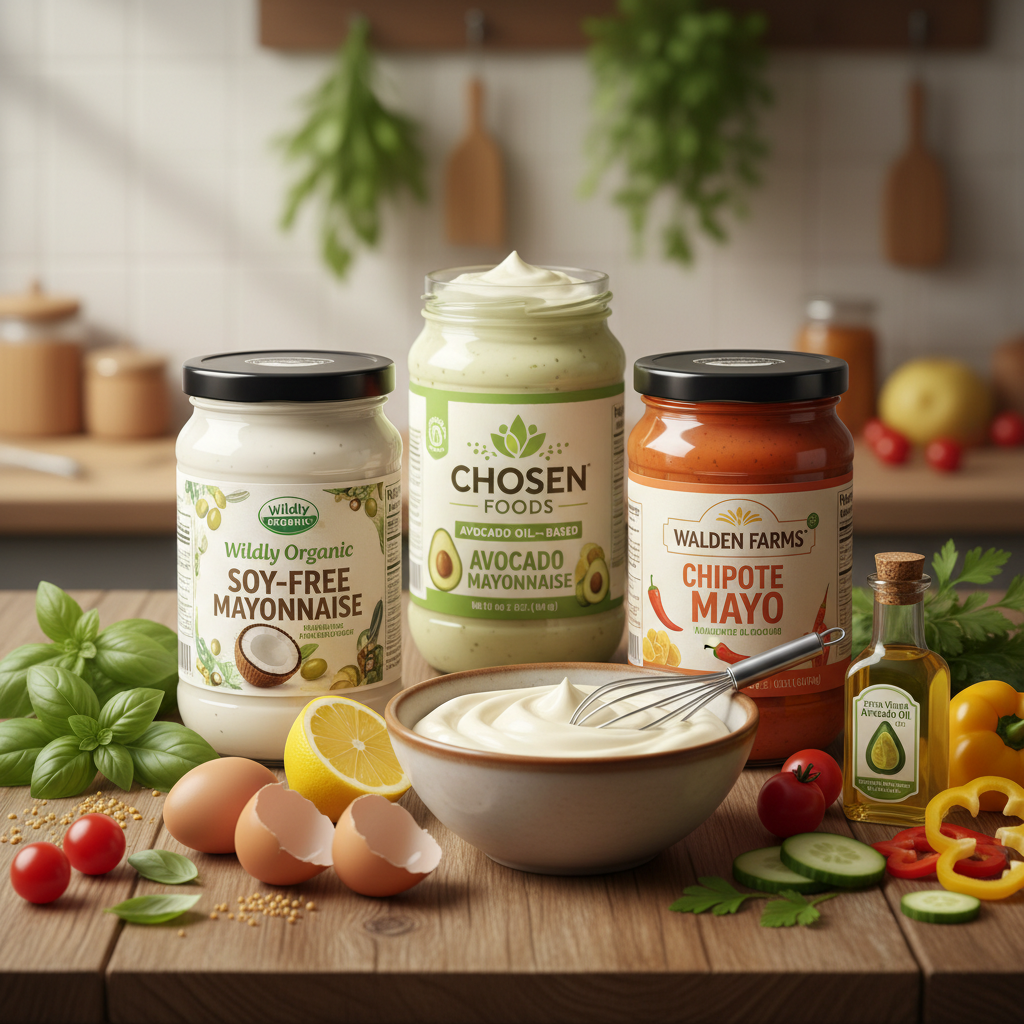
TL;DR Yes, there are mayonnaise options available that do not contain soy or soybean oil. Brands like Wildly Organic offer soy-free mayonnaise made with coconut MCT oil and olive oil, while Chosen Foods provides avocado oil-based ...
Ready to source an ingredient?
Whether you’re struggling to find the perfect ingredient, racing against the clock, or simply don’t have the bandwidth to manage sourcing — we’ve got your back.
Get a Free Sourcing Audit Reviews
Savings is BIG but the relationship value is MASSIVE! Glad we met when we did. Looking forward to building this partnership with you and David.
Yohan, here to say you’re one of my favorite suppliers. Aside from your high quality ingredients, you’re so great to work with. Thanks for all the help you’ve given us this year.
Working with Global Savors and Yohan has been very smooth when sourcing ingredients. They offer a great selection and and cost savings! Yohan has been awesome to work with and we look forward to continuing business together.






Global Savors is your trusted partner for seamless ingredient sourcing, offering end-to-end solutions that streamline procurement, simplify logistics, and elevate your supply chain efficiency.
View More News
© 2026 Copyrights by Global Savors. All Rights Reserved