

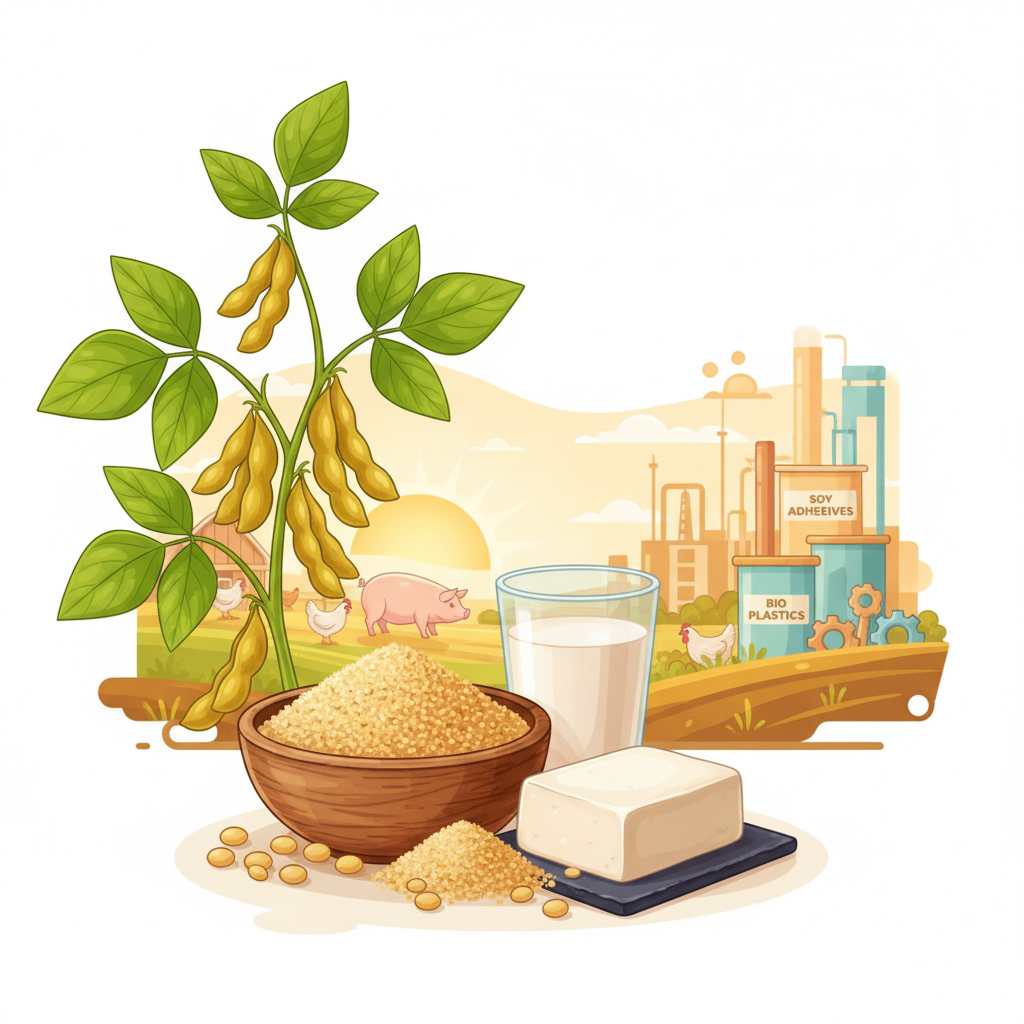
Uses for Remaining Soybean Products After Soy Oil is Consumed for Biodiesel
TLDR
Soybean oil, a key ingredient in biodiesel production, leaves behind valuable byproducts such as soybean meal and fiber. These byproducts are primarily used in animal feed, human food products, and various industrial applications. The majority of soybean meal is converted into animal feed, while the fiber is utilized in manufacturing soy-based products, including adhesives, coatings, and insulation materials.
Soybeans are one of the most versatile crops in the world, primarily known for their oil, which is extensively used in food production and biodiesel. After extracting soybean oil for biodiesel, a significant amount of byproducts remains. Understanding these byproducts' uses can highlight the sustainability and economic potential of soybean processing. This article explores the various applications of remaining soybean products after oil extraction, focusing on their roles in animal feed, human food products, and industrial applications.
When soybeans are processed to extract oil, approximately 47 pounds of soybean meal and 11 pounds of crude soybean oil are produced from a 60-pound bushel of soybeans. The oil is often used for biodiesel, but the remaining meal and fiber are rich in protein and have various uses.
The predominant use of soybean meal is as animal feed. After oil extraction, the remaining meal is processed into a high-protein feed that is highly digestible for livestock. Here are some key points regarding its use in animal feed:
While the majority of soybean meal is directed towards animal feed, some of it is also used for human consumption. This includes:
Beyond food, soybean byproducts play a crucial role in various industrial applications. The fiber and protein extracted from soybeans are utilized in:
The byproducts of soybean processing, particularly after extracting oil for biodiesel, are not just waste; they are valuable resources that contribute significantly to animal nutrition, human food, and various industrial applications. As the demand for sustainable and eco-friendly products continues to rise, the utilization of soybean byproducts will play an increasingly important role in multiple sectors, underscoring the importance of soybeans in both agriculture and industry.
After extracting soybean oil for biodiesel, the primary byproducts are soybean meal and fiber. These byproducts are rich in protein and have various applications in animal feed, human food products, and industrial uses.
Soybean meal is predominantly used as high-protein feed for livestock, especially poultry and swine. It is also utilized in aquaculture, providing a sustainable alternative to fish meal.
Yes, a small percentage of soybean meal is used in human food products, including soy-based items like tofu, soy milk, and tempeh, as well as in nutritional supplements that contribute to dietary protein intake.
Soybean byproducts are used in various industrial applications, such as eco-friendly adhesives, insulation materials, and bioplastics, which are incorporated into products like automotive components and building materials.
 Get Wholesale pricingReduce ingredient costs by 5-10%
Is Soybean Oil Healthy? A Comprehensive Guide
TLDR Soybean oil is a widely used cooking oil known for its high levels of unsaturated fats and omega fatty acids. It carries an FDA-qualified health claim suggesting it may reduce the risk of coronary heart disease when consumed ...
Is Soybean Oil Keto-Friendly?
TL;DR Yes, soybean oil is keto-friendly due to its zero carbohydrate content, making it suitable for a ketogenic diet. While it can fit into your keto meal plan without disrupting ketosis, it's essential to consider the overall ba...
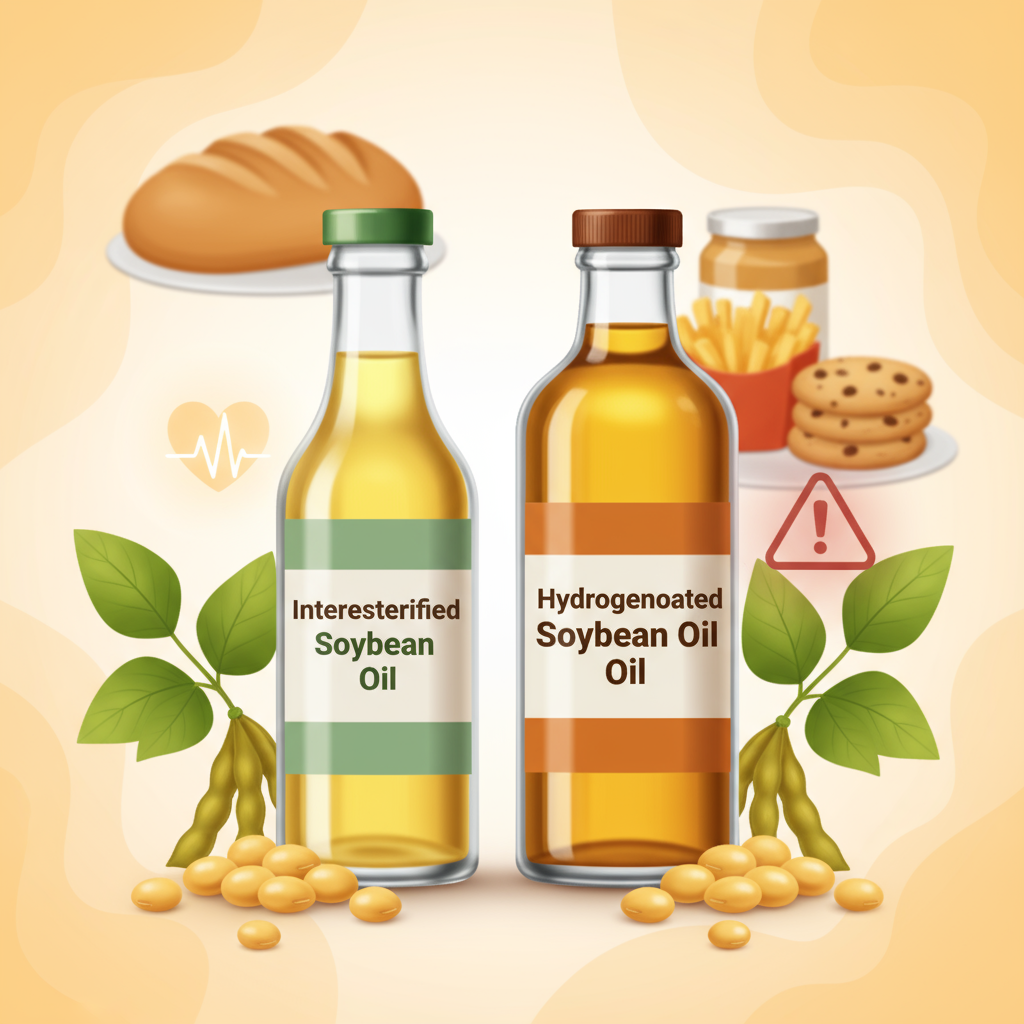
Interesterified Soybean Oil vs. Hydrogenated Soybean Oil: What You Need to Know
TL;DR Interesterified soybean oil and hydrogenated soybean oil are two types of fats used in food production. Interesterification involves rearranging fatty acids in triglycerides to modify their properties without creating trans ...
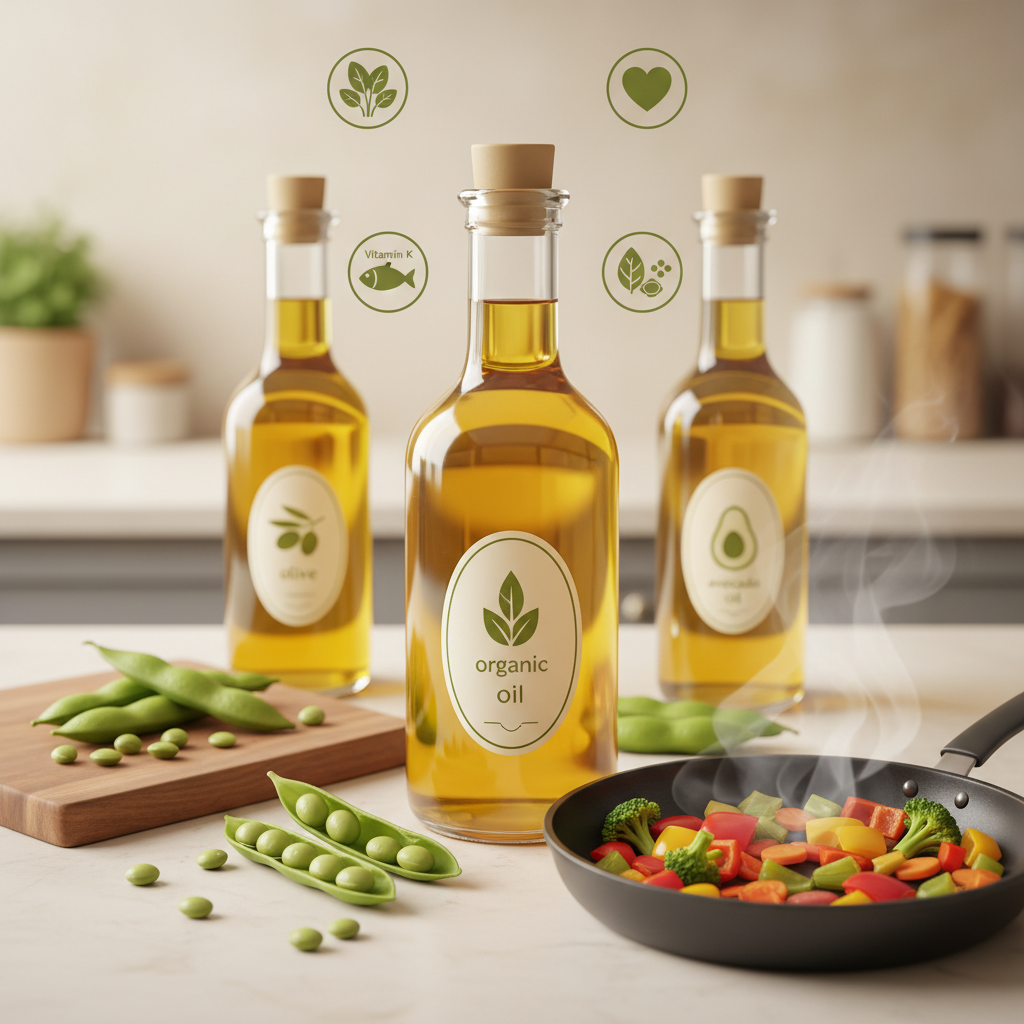
Is Organic Soybean Oil Bad for You? A Comprehensive Guide
TL;DR Organic soybean oil is widely used in cooking and processed foods, but its health effects are debated. While it contains beneficial nutrients like vitamin K and omega-3 fatty acids, its high omega-6 content and potential for...
Ready to source an ingredient?
Whether you’re struggling to find the perfect ingredient, racing against the clock, or simply don’t have the bandwidth to manage sourcing — we’ve got your back.
Get a Free Sourcing Audit Reviews
Savings is BIG but the relationship value is MASSIVE! Glad we met when we did. Looking forward to building this partnership with you and David.
Yohan, here to say you’re one of my favorite suppliers. Aside from your high quality ingredients, you’re so great to work with. Thanks for all the help you’ve given us this year.
Working with Global Savors and Yohan has been very smooth when sourcing ingredients. They offer a great selection and and cost savings! Yohan has been awesome to work with and we look forward to continuing business together.






Global Savors is your trusted partner for seamless ingredient sourcing, offering end-to-end solutions that streamline procurement, simplify logistics, and elevate your supply chain efficiency.
View More News
© 2026 Copyrights by Global Savors. All Rights Reserved