

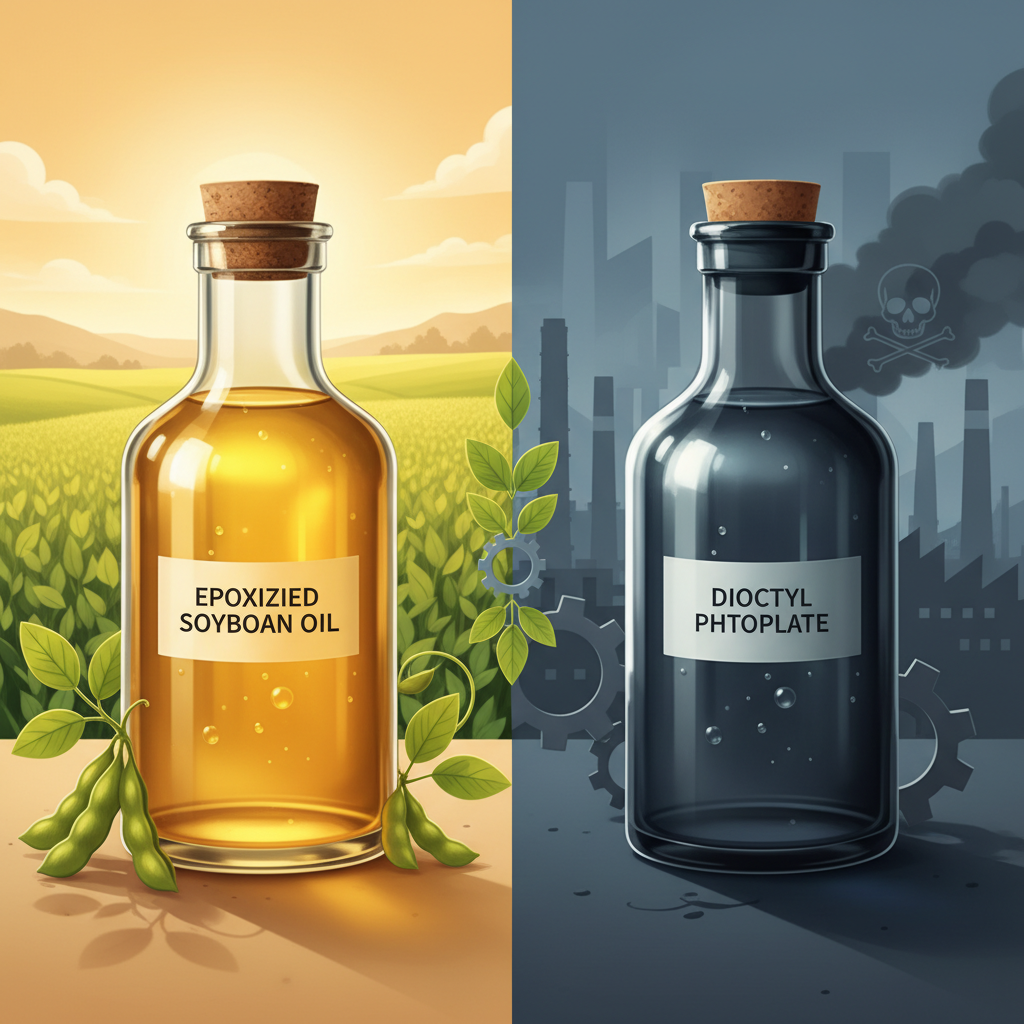
Soybean Oil vs. DOP: A Comparative Analysis for PVC Applications
TL;DR
This article explores the differences between epoxidized soybean oil (ESO) and dioctyl phthalate (DOP) as plasticizers for polyvinyl chloride (PVC). ESO is non-toxic, offers better heat stability, lower volatility, and improved weather resistance compared to DOP. As the industry shifts towards safer alternatives, ESO is becoming a preferred choice for PVC processing, providing enhanced performance and safety.
In the world of plastics, particularly polyvinyl chloride (PVC), the choice of plasticizers plays a crucial role in determining the material's properties and applications. Two commonly used plasticizers are epoxidized soybean oil (ESO) and dioctyl phthalate (DOP). As environmental and health concerns rise, understanding the differences between these two plasticizers is essential for manufacturers and consumers alike. This article delves into the benefits and drawbacks of using ESO compared to DOP in PVC applications.
Epoxidized soybean oil is derived from soybean oil through a process of epoxidation, which introduces epoxide groups into the fatty acid chains. This modification enhances its properties, making it a valuable plasticizer for PVC.
Non-Toxic: ESO is recognized for its non-toxic nature. It meets strict FDA requirements, making it suitable for applications that require compliance with food safety standards. This is a significant advantage over DOP, which has raised health concerns due to its potential endocrine-disrupting properties.
Heat Stability and Weather Resistance: ESO exhibits excellent heat stability and weather resistance. The active epoxy rings in ESO can react with hydrochloric acid (HCl), reducing degradation during heating and light exposure. This property helps maintain the integrity of PVC products over time.
Low Volatility: One of the standout features of ESO is its low volatility—approximately 20% that of DOP. This characteristic leads to better flexibility and stability in PVC, ensuring that the material retains its properties even under varying conditions.
Non-Migration and Extraction Resistance: ESO has a low intrinsic viscosity (I.V.) and is compatible with other PVC plasticizers, providing superior performance in non-migration and extraction resistance. This means that ESO is less likely to leach out of the PVC material, ensuring longevity and safety.
While ESO presents numerous advantages, it is essential to consider that its performance can be influenced by the specific formulation and application requirements. Manufacturers must ensure compatibility with other additives in their PVC formulations.
DOP is a widely used plasticizer known for its effectiveness in enhancing the flexibility and workability of PVC. However, it has come under scrutiny due to environmental and health concerns.
Cost-Effectiveness: DOP is often cheaper than alternative plasticizers, making it a popular choice in various applications.
Good Plasticizing Properties: DOP is effective in improving the flexibility and durability of PVC, which has made it a standard choice in many industries.
Health Concerns: DOP has been linked to potential health risks, including endocrine disruption. As a result, its use is being phased out in favor of safer alternatives like ESO.
Higher Volatility: DOP has higher volatility compared to ESO, which can lead to a loss of plasticizing effect over time, affecting the performance of PVC products.
Environmental Impact: The environmental persistence of DOP raises concerns about its impact on ecosystems, prompting manufacturers to seek more sustainable options.
In the ongoing debate between epoxidized soybean oil and dioctyl phthalate as plasticizers for PVC, it is clear that ESO offers several advantages, particularly in terms of safety, stability, and environmental impact. As industries increasingly prioritize non-toxic and sustainable materials, ESO is poised to become the preferred choice for PVC applications. Manufacturers looking to innovate and comply with health regulations should consider transitioning to ESO for its superior properties and safety profile.
Epoxidized soybean oil (ESO) is a non-toxic plasticizer derived from soybean oil through epoxidation. It is used in PVC applications for its excellent heat stability, low volatility, and weather resistance, making it a safer alternative to traditional plasticizers like dioctyl phthalate (DOP).
ESO offers several key advantages, including being non-toxic and compliant with FDA food safety standards, superior heat stability, lower volatility (about 20% that of DOP), and better non-migration properties, ensuring longer-lasting and safer PVC products.
DOP is linked to health concerns, such as potential endocrine disruption, and has higher volatility than ESO, which can diminish its effectiveness over time. Additionally, its environmental impact has raised concerns, leading to a shift towards safer alternatives like ESO.
The industry is moving towards ESO due to its non-toxic nature, better performance characteristics, and compliance with health regulations. As manufacturers prioritize safety and sustainability, ESO is increasingly favored for PVC applications.
 Get Wholesale pricingReduce ingredient costs by 5-10%
Is Soybean Oil Keto-Friendly?
TL;DR Yes, soybean oil is keto-friendly due to its zero carbohydrate content, making it suitable for a ketogenic diet. While it can fit into your keto meal plan without disrupting ketosis, it's essential to consider the overall ba...

Can You Fry a Turkey in Soybean Oil? A Complete Guide
TL;DR Yes, you can fry a turkey in soybean oil, which has a smoke point of 450°F, making it suitable for deep frying. While peanut oil is often recommended for its flavor and high smoke point, soybean oil is a viable alternative. ...
Understanding Interesterified Soybean Oil: What You Need to Know
TL;DR Interesterified soybean oil is a modified fat created through a process called interesterification, which rearranges fatty acids in oils to improve their physical properties. Commonly used as a substitute for trans fats in f...

Can Dogs Have Soybean Oil? A Comprehensive Guide
TL;DR Soybean oil is generally safe for dogs in moderation and can provide several nutritional benefits. While it is a source of healthy fats and may help with skin conditions, some dogs may experience digestive issues or allergie...
Ready to source an ingredient?
Whether you’re struggling to find the perfect ingredient, racing against the clock, or simply don’t have the bandwidth to manage sourcing — we’ve got your back.
Get a Free Sourcing Audit Reviews
Savings is BIG but the relationship value is MASSIVE! Glad we met when we did. Looking forward to building this partnership with you and David.
Yohan, here to say you’re one of my favorite suppliers. Aside from your high quality ingredients, you’re so great to work with. Thanks for all the help you’ve given us this year.
Working with Global Savors and Yohan has been very smooth when sourcing ingredients. They offer a great selection and and cost savings! Yohan has been awesome to work with and we look forward to continuing business together.





Global Savors is your trusted partner for seamless ingredient sourcing, offering end-to-end solutions that streamline procurement, simplify logistics, and elevate your supply chain efficiency.
View More News
© 2026 Copyrights by Global Savors. All Rights Reserved