

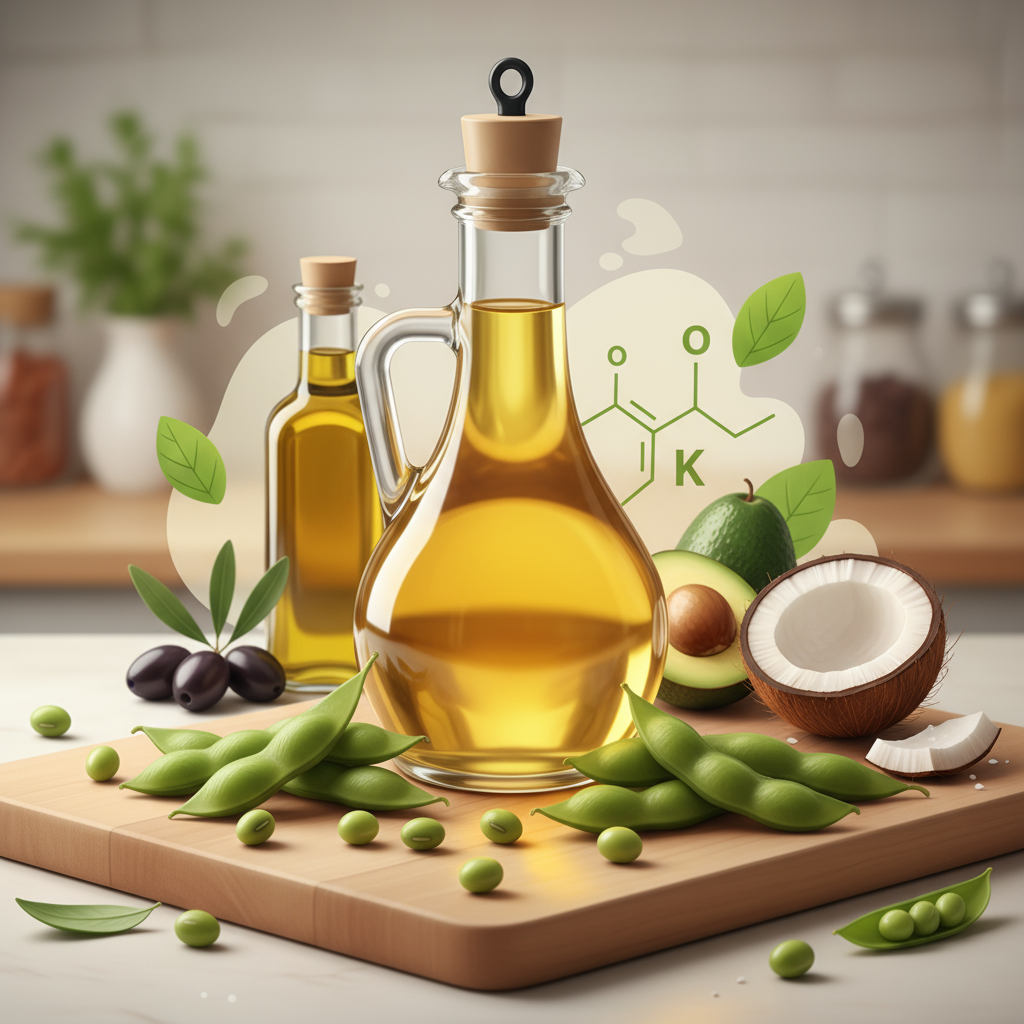
Is Soybean Oil Good or Bad for You? A Comprehensive Guide
TL;DR
Soybean oil is a commonly used cooking oil that has both benefits and potential drawbacks. While it is rich in vitamin K and can be a source of healthy fats, excessive consumption, particularly of its high linoleic acid content, may contribute to health issues such as obesity, diabetes, and inflammatory bowel diseases. Moderation is key, and alternatives like olive oil may offer healthier options.
Soybean oil is one of the most widely consumed vegetable oils globally, particularly in the United States. It is often praised for its versatility in cooking and its nutritional benefits. However, recent research has raised concerns about its health implications, particularly when consumed in large quantities. This article explores whether soybean oil is good or bad for your health, examining its nutritional profile, potential benefits, and risks.
Soybean oil is extracted from soybeans and is primarily used in cooking, frying, and as an ingredient in processed foods. It is high in polyunsaturated fats, particularly omega-6 fatty acids, which are essential for human health but can be harmful in excess.
Soybean oil is a source of polyunsaturated fats, which can be beneficial for heart health when consumed in moderation. The American Heart Association recommends that 5 to 10% of daily calories come from omega-6 fatty acids, which can be found in soybean oil.
Its high smoke point makes soybean oil suitable for frying and baking. It can also be used in salad dressings and marinades, making it a versatile addition to many recipes.
Some studies suggest that soybean oil may help prevent bone loss due to its vitamin K content, although more research is needed to confirm these benefits.
Research indicates that high consumption of soybean oil, particularly its linoleic acid content, may lead to various health issues. A study conducted by the University of California, Riverside, found that diets high in soybean oil can disrupt gut health, leading to an increase in harmful bacteria and inflammation, which may contribute to conditions like inflammatory bowel disease (IBD) and obesity.
Increased intake of soybean oil has been associated with a rise in obesity and diabetes rates. The excessive linoleic acid can negatively affect the gut microbiome, leading to chronic inflammation and other health issues.
Soybean oil is prevalent in many processed foods, making it easy to consume more than the recommended amount. It is crucial to read labels and be mindful of soybean oil in your diet.
For those concerned about the potential risks of soybean oil, there are healthier alternatives available:
Soybean oil has its benefits, particularly as a source of vitamin K and healthy fats. However, the potential health risks associated with excessive consumption, particularly of linoleic acid, cannot be ignored. Moderation is key, and incorporating a variety of healthy fats into your diet is advisable. For those looking to reduce soybean oil intake, consider switching to healthier alternatives like olive oil or avocado oil.
Soybean oil is rich in vitamin K, which supports bone health, and it provides polyunsaturated fats that can be beneficial for heart health when consumed in moderation. Its versatility in cooking makes it a popular choice for frying, baking, and salad dressings.
Excessive consumption of soybean oil, particularly its high linoleic acid content, may lead to health issues such as obesity, diabetes, and gut health problems. Overconsumption can disrupt the gut microbiome and contribute to chronic inflammation.
Moderation is key when using soybean oil. The American Heart Association recommends that 5 to 10% of daily calories come from omega-6 fatty acids, including those found in soybean oil. It's important to balance your diet with a variety of healthy fats from sources like olive oil and avocado oil.
Healthier alternatives to soybean oil include olive oil, which is known for its heart benefits and lower linoleic acid content, avocado oil, rich in monounsaturated fats, and coconut oil, which can be used for cooking and baking despite its higher saturated fat content.
 Get Wholesale pricingReduce ingredient costs by 5-10%
Is Soybean Oil Healthy? A Comprehensive Guide
TLDR Soybean oil is a widely used cooking oil known for its high levels of unsaturated fats and omega fatty acids. It carries an FDA-qualified health claim suggesting it may reduce the risk of coronary heart disease when consumed ...
Is Soybean Oil Keto-Friendly?
TL;DR Yes, soybean oil is keto-friendly due to its zero carbohydrate content, making it suitable for a ketogenic diet. While it can fit into your keto meal plan without disrupting ketosis, it's essential to consider the overall ba...
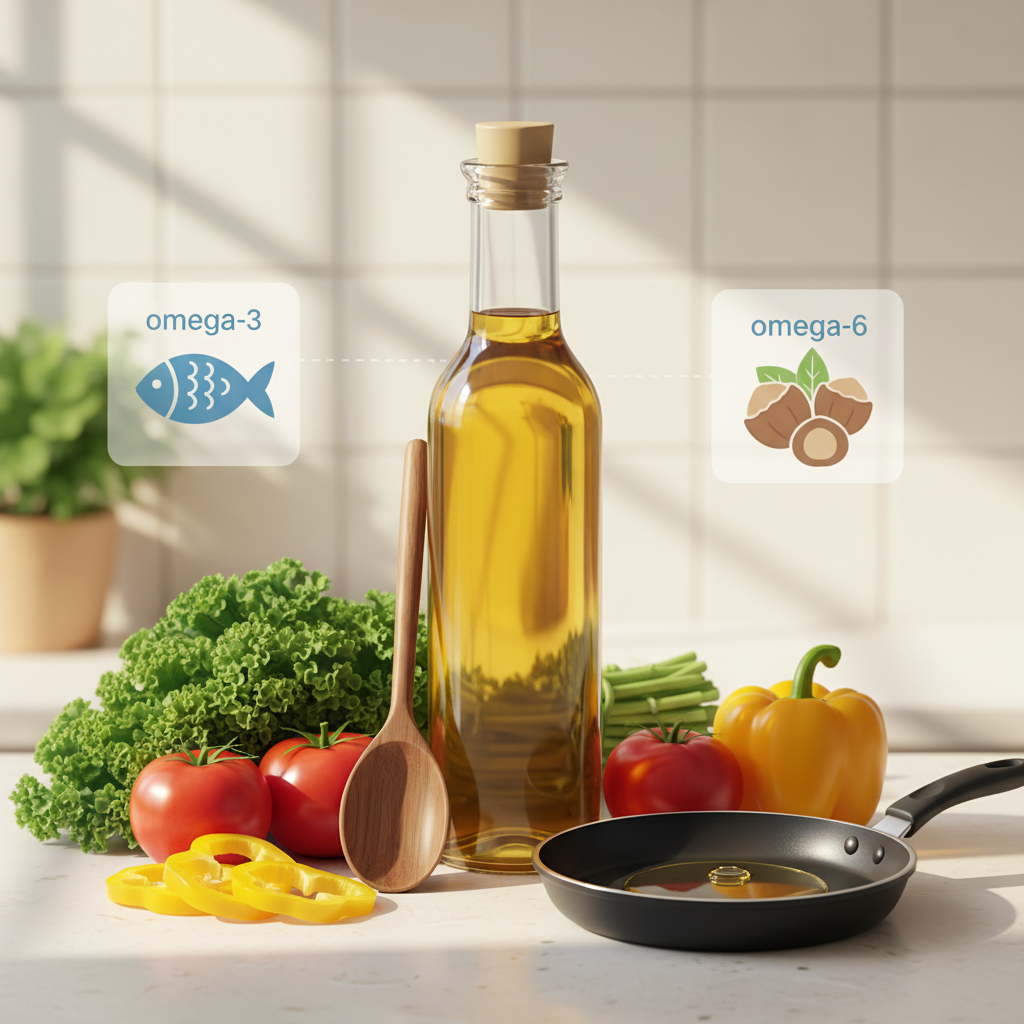
Is Soybean Oil Good for You? A Comprehensive Guide
TL;DR Soybean oil is a widely used cooking oil that offers several health benefits, including a potential reduction in the risk of coronary heart disease due to its unsaturated fat content. It contains both omega-3 and omega-6 fat...

Can You Fry a Turkey in Soybean Oil? A Complete Guide
TL;DR Yes, you can fry a turkey in soybean oil, which has a smoke point of 450°F, making it suitable for deep frying. While peanut oil is often recommended for its flavor and high smoke point, soybean oil is a viable alternative. ...
Ready to source an ingredient?
Whether you’re struggling to find the perfect ingredient, racing against the clock, or simply don’t have the bandwidth to manage sourcing — we’ve got your back.
Get a Free Sourcing Audit Reviews
Savings is BIG but the relationship value is MASSIVE! Glad we met when we did. Looking forward to building this partnership with you and David.
Yohan, here to say you’re one of my favorite suppliers. Aside from your high quality ingredients, you’re so great to work with. Thanks for all the help you’ve given us this year.
Working with Global Savors and Yohan has been very smooth when sourcing ingredients. They offer a great selection and and cost savings! Yohan has been awesome to work with and we look forward to continuing business together.






Global Savors is your trusted partner for seamless ingredient sourcing, offering end-to-end solutions that streamline procurement, simplify logistics, and elevate your supply chain efficiency.
View More News
© 2026 Copyrights by Global Savors. All Rights Reserved