


Is Soybean Oil Gluten-Free? A Comprehensive Guide
TL;DR
Soybean oil, derived from soybeans, is naturally gluten-free and safe for individuals with gluten intolerance or celiac disease. While pure soybean oil contains no gluten, it is essential to check labels for any added ingredients that may contain gluten. Other soy products, such as soy flour or soy sauce, may not be gluten-free due to processing or additional ingredients.
As gluten-free diets gain popularity, many people are left wondering about the gluten content in various food products, including soybean oil. This article explores the gluten-free status of soybean oil, its uses, and how it fits into a gluten-free lifestyle.
Soybean oil is a vegetable oil extracted from the seeds of the soybean plant (Glycine max). It is widely used in cooking and food production due to its mild flavor and high smoke point. Soybean oil is a common ingredient in many processed foods, making it essential for those with gluten sensitivities to understand its gluten content.
Gluten is a group of proteins found in certain grains, primarily wheat, barley, and rye. For individuals with celiac disease or gluten intolerance, consuming gluten can lead to severe health issues, including digestive problems and long-term intestinal damage.
According to multiple sources, soybean oil is gluten-free. The oil is extracted from soybeans, which do not contain gluten in their natural form. Therefore, pure soybean oil is safe for individuals who need to avoid gluten (Nutrioli®; BeyondCeliac.org).
While soybean oil itself is gluten-free, cross-contamination can occur during processing. It is crucial to ensure that the soybean oil you purchase is labeled as gluten-free, especially if it is produced in facilities that also process gluten-containing products (Hungry For Truth). Always check the ingredient label for any additives that might introduce gluten.
Regular soy sauce is not gluten-free as it is made with wheat. However, gluten-free alternatives, such as tamari, are available (BeyondCeliac.org).
Soy flour, which is ground from soybeans, is gluten-free, but caution is advised as some brands may have cross-contamination issues. Soy lecithin, an emulsifier derived from soybeans, is also gluten-free (Nutrioli®).
In summary, soybean oil is gluten-free and safe for those with gluten sensitivities or celiac disease. As with any food product, it is essential to read labels carefully to avoid any potential gluten exposure from additives or cross-contamination. By understanding the gluten content of soybean oil and other soy products, individuals can confidently incorporate them into their gluten-free diets.
Yes, soybean oil is naturally gluten-free. It is derived from soybeans, which do not contain gluten. However, always check labels for any potential additives or cross-contamination.
When purchasing soybean oil, look for labels that specifically state "gluten-free" to avoid any risk of cross-contamination, especially if the oil is processed in facilities that handle gluten-containing products.
Not all soy products are gluten-free. For example, regular soy sauce contains wheat and is not gluten-free, while soy flour and soy lecithin are generally gluten-free but may have cross-contamination risks.
It's important to check labels because some soybean oils may have added ingredients that contain gluten or may be processed in facilities that also handle gluten, which can lead to cross-contamination.
 Get Wholesale pricingReduce ingredient costs by 5-10%

How Much Does Soybean Oil Weigh Per Gallon?
TL;DR A gallon of soybean oil weighs approximately 7.6 pounds. This weight can vary slightly depending on the oil's temperature and density, but 7.6 pounds is a widely accepted average. Understanding the weight of soybean oil is e...

Does Soybean Oil Contain Soy? Understanding the Relationship
TL;DR Soybean oil, derived from soybeans, is a common cooking oil that may raise concerns for individuals with soy allergies. While highly refined soybean oil typically does not contain significant amounts of soy protein and is ge...
Is Soybean Oil Good for You? A Comprehensive Guide
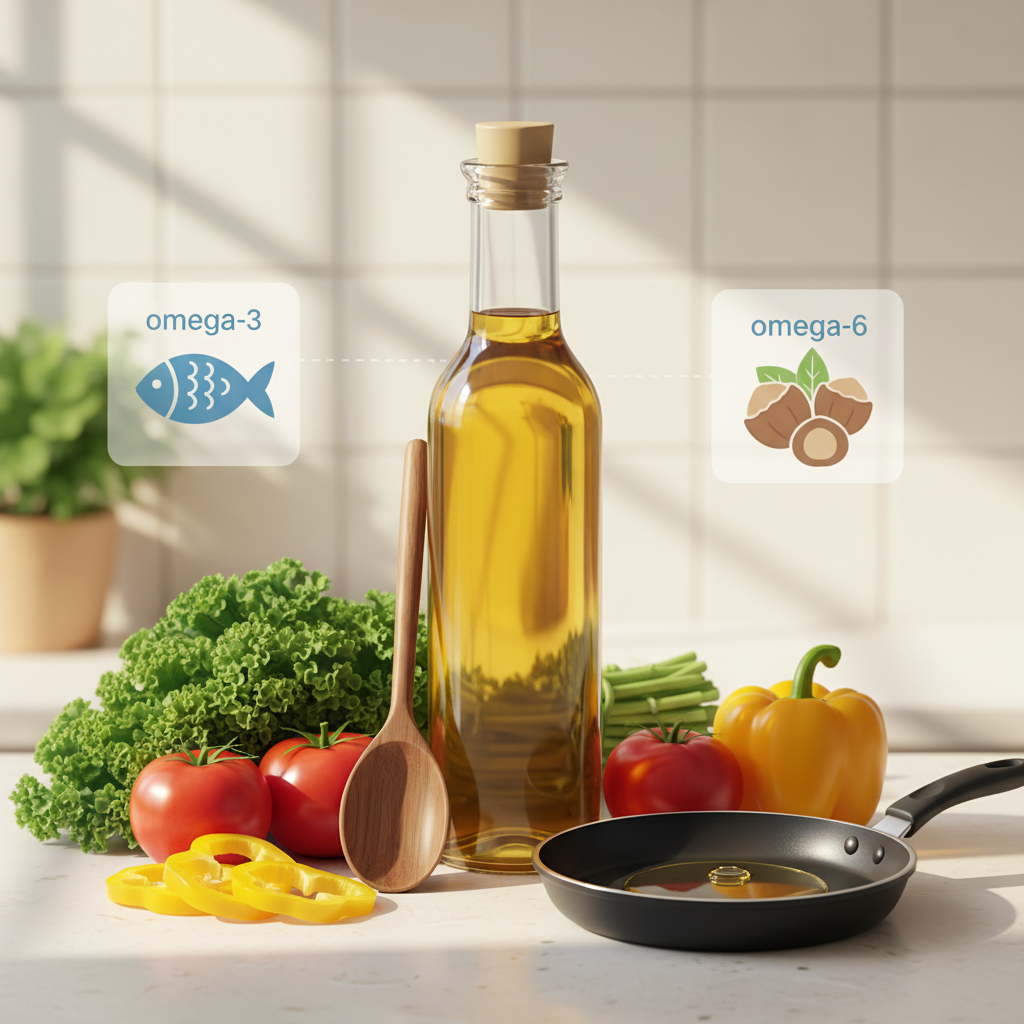
TL;DR Soybean oil is a widely used cooking oil that offers several health benefits, including a potential reduction in the risk of coronary heart disease due to its unsaturated fat content. It contains both omega-3 and omega-6 fat...

Soybean Oil vs Vegetable Oil: Understanding the Differences
TL;DR Soybean Oil: A type of vegetable oil derived specifically from soybeans. It is widely used for cooking and frying due to its high smoke point and neutral flavor. Vegetable Oil: Generally refers to a blend of various plant oi...
Ready to source an ingredient?
Whether you’re struggling to find the perfect ingredient, racing against the clock, or simply don’t have the bandwidth to manage sourcing — we’ve got your back.
Get a Free Sourcing Audit Reviews
Savings is BIG but the relationship value is MASSIVE! Glad we met when we did. Looking forward to building this partnership with you and David.
Yohan, here to say you’re one of my favorite suppliers. Aside from your high quality ingredients, you’re so great to work with. Thanks for all the help you’ve given us this year.
Working with Global Savors and Yohan has been very smooth when sourcing ingredients. They offer a great selection and and cost savings! Yohan has been awesome to work with and we look forward to continuing business together.






Global Savors is your trusted partner for seamless ingredient sourcing, offering end-to-end solutions that streamline procurement, simplify logistics, and elevate your supply chain efficiency.
View More News
© 2026 Copyrights by Global Savors. All Rights Reserved