

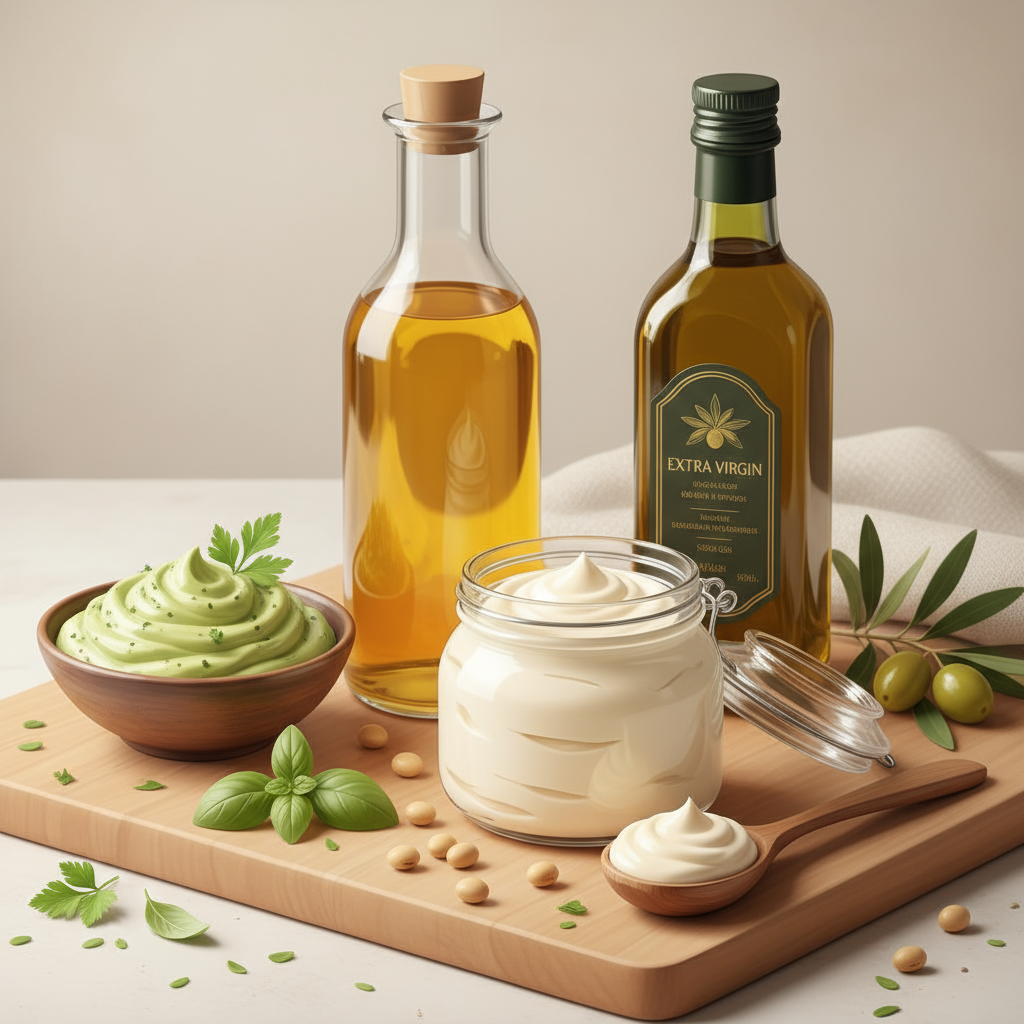
How Much Soybean Oil is in Mayonnaise?
TL;DR
Mayonnaise typically contains soybean oil as a primary ingredient, especially in commercial brands. Homemade mayonnaise can be made with various oils, including healthier alternatives like avocado oil or olive oil. Understanding the oil content in mayonnaise is essential for those looking to avoid soybean oil due to health concerns.
Mayonnaise is a popular condiment used in various dishes, from sandwiches to salads. One of the key ingredients that often raises questions is soybean oil. In this article, we will explore how much soybean oil is typically found in mayonnaise, the reasons behind its widespread use, and healthier alternatives for those looking to make informed dietary choices.
Soybean oil is a vegetable oil extracted from soybeans. It is widely used in food products due to its neutral flavor and high smoke point, making it suitable for cooking and frying. However, it is often categorized as an inflammatory oil, which has led many consumers to seek alternatives.
Most store-bought mayonnaise is made with soybean oil as a primary ingredient. This oil is favored by manufacturers because it is cost-effective and has a long shelf life. In many cases, the ingredient list may also include other oils, but soybean oil remains a staple. For example, popular brands may label their products as "made with olive oil," but they often contain soybean oil as a filler to reduce costs (Kristin Brown Nutrition).
When making mayonnaise at home, you have the flexibility to choose the type of oil you want to use. While soybean oil can be used, many people opt for healthier alternatives like avocado oil or olive oil. These oils not only provide better nutritional profiles but also enhance the flavor of the mayonnaise (The Pioneer Woman).
The exact amount of soybean oil in mayonnaise can vary by brand and recipe. Typically, commercial mayonnaise recipes contain around 60-75% oil, which can include soybean oil. For homemade mayonnaise, the oil content can be adjusted based on personal preference, but a common ratio is about 3/4 cup of oil to one egg yolk, which can be any oil of your choice (Kristin Brown Nutrition).
One of the main concerns regarding soybean oil is its potential inflammatory properties. Many health experts suggest that consuming oils high in omega-6 fatty acids, like soybean oil, can lead to an imbalance in the omega-3 to omega-6 ratio in the diet, which may promote inflammation (Kristin Brown Nutrition).
For those looking to avoid soybean oil, several healthier mayonnaise options are available. Brands like Chosen Foods offer mayonnaise made with avocado oil, free from inflammatory oils. Additionally, making your own mayonnaise at home allows you to control the ingredients and avoid soybean oil altogether (Kristin Brown Nutrition).
Soybean oil is a common ingredient in mayonnaise, especially in commercial varieties. However, with the growing awareness of health implications associated with soybean oil, many consumers are turning to healthier alternatives, both in store-bought options and homemade recipes. By understanding the oil content in mayonnaise, you can make more informed choices that align with your dietary preferences.
Commercial mayonnaise usually contains about 60-75% oil, with soybean oil being a primary ingredient due to its cost-effectiveness and long shelf life.
Yes, when making homemade mayonnaise, you can choose healthier alternatives like avocado oil or olive oil instead of soybean oil, allowing you to control the ingredients.
Soybean oil is favored in mayonnaise production for its neutral flavor, high smoke point, and cost-effectiveness, making it a staple in many commercial brands.
Health experts warn that soybean oil may promote inflammation due to its high omega-6 fatty acid content, leading many consumers to seek healthier alternatives in their diets.
 Get Wholesale pricingReduce ingredient costs by 5-10%
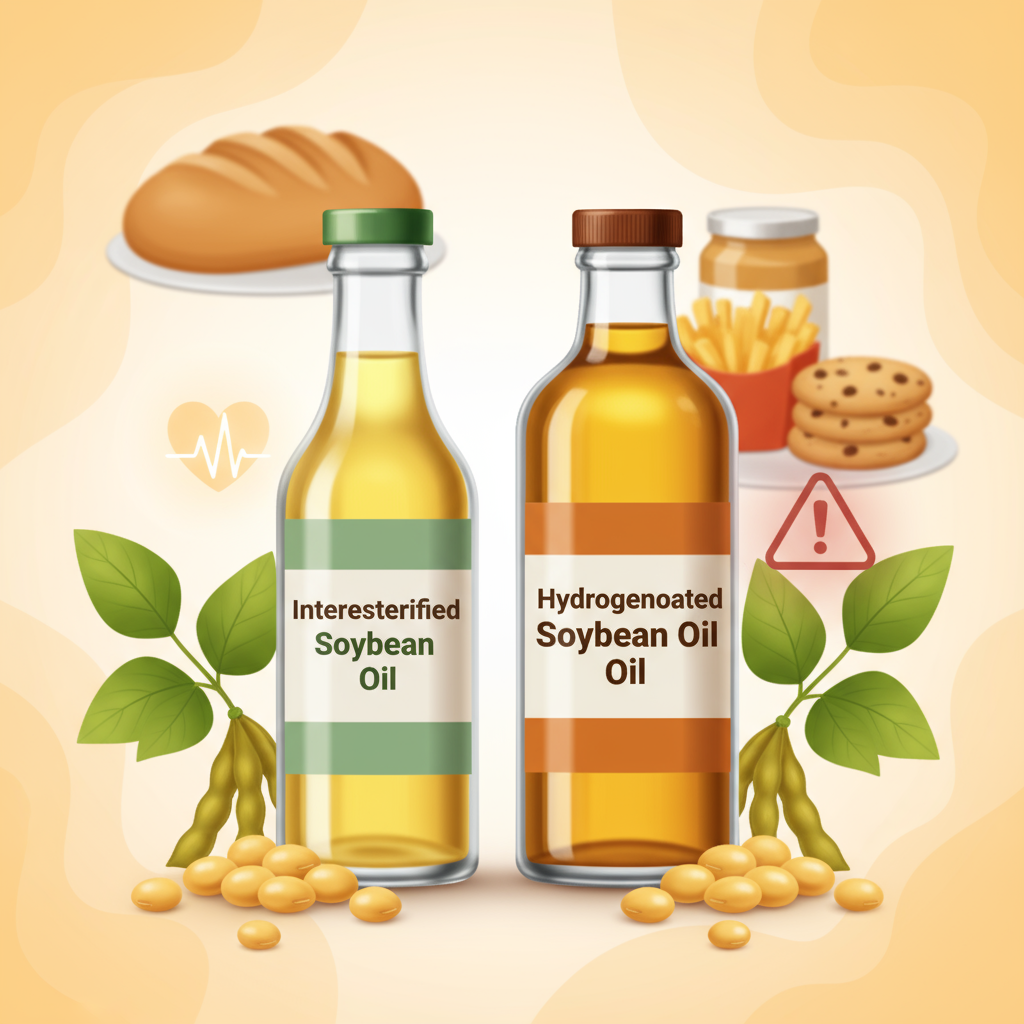
Interesterified Soybean Oil vs. Hydrogenated Soybean Oil: What You Need to Know
TL;DR Interesterified soybean oil and hydrogenated soybean oil are two types of fats used in food production. Interesterification involves rearranging fatty acids in triglycerides to modify their properties without creating trans ...
Interesterified Soybean Oil vs. Hydrogenated Soybean Oil: What You Need to Know
TL;DR Interesterified soybean oil and hydrogenated soybean oil are two types of fats used in food production. Interesterification involves rearranging fatty acids in triglycerides to modify their properties without creating trans ...

Does Soybean Oil Contain Soy? Understanding the Relationship
TL;DR Soybean oil, derived from soybeans, is a common cooking oil that may raise concerns for individuals with soy allergies. While highly refined soybean oil typically does not contain significant amounts of soy protein and is ge...
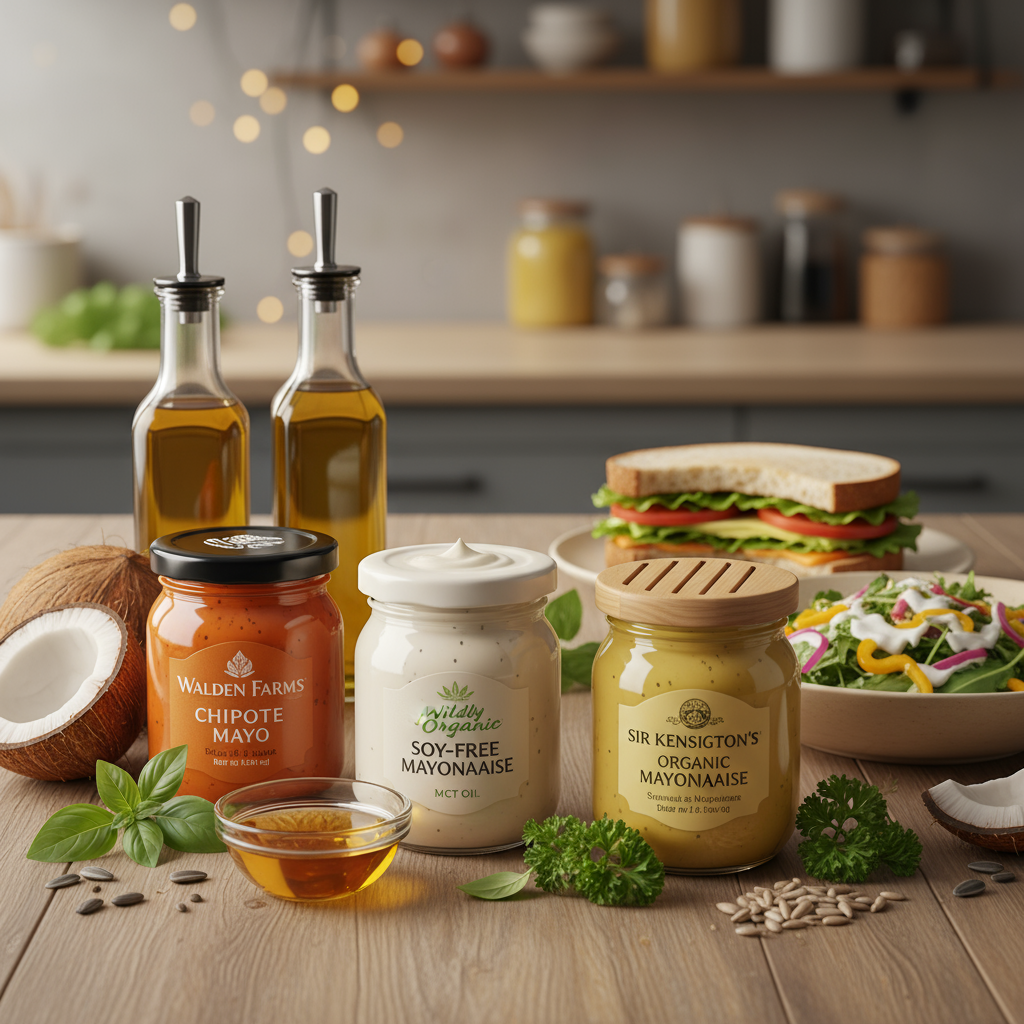
What Mayonnaise Does Not Have Soybean Oil?
TL;DR If you're looking for mayonnaise that does not contain soybean oil, there are several options available. Notably, Wildly Organic offers a soy-free mayonnaise made with MCT oil, olive oil, and sesame oil. Other brands like Si...
Ready to source an ingredient?
Whether you’re struggling to find the perfect ingredient, racing against the clock, or simply don’t have the bandwidth to manage sourcing — we’ve got your back.
Get a Free Sourcing Audit Reviews
Savings is BIG but the relationship value is MASSIVE! Glad we met when we did. Looking forward to building this partnership with you and David.
Yohan, here to say you’re one of my favorite suppliers. Aside from your high quality ingredients, you’re so great to work with. Thanks for all the help you’ve given us this year.
Working with Global Savors and Yohan has been very smooth when sourcing ingredients. They offer a great selection and and cost savings! Yohan has been awesome to work with and we look forward to continuing business together.






Global Savors is your trusted partner for seamless ingredient sourcing, offering end-to-end solutions that streamline procurement, simplify logistics, and elevate your supply chain efficiency.
View More News
© 2026 Copyrights by Global Savors. All Rights Reserved