

Does Soybean Oil Have Soy? Understanding the Connection
TL;DR
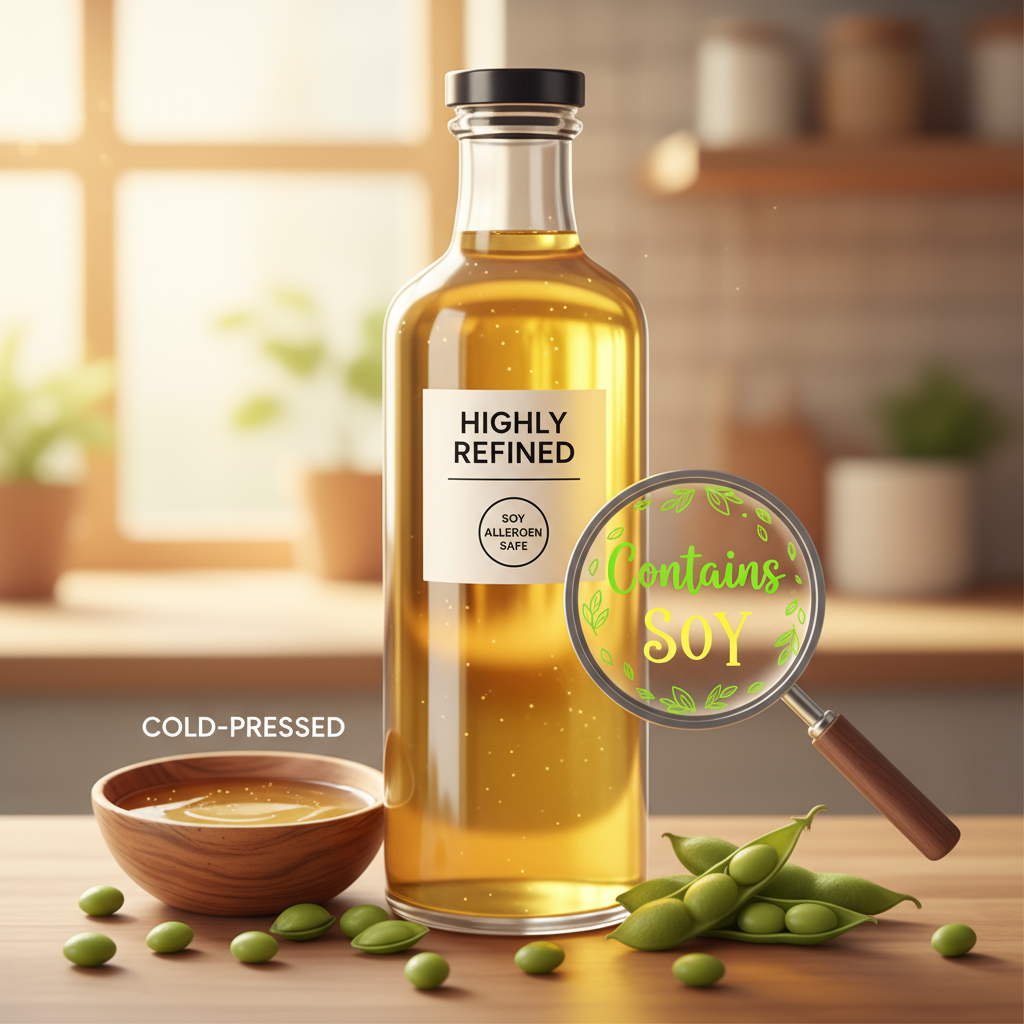
Soybean oil is derived from soybeans, but highly refined soybean oil does not contain significant soy proteins and is generally safe for those with soy allergies. However, cold-pressed or unrefined soybean oils may contain soy proteins and should be avoided by individuals with soy allergies. Always read labels carefully to determine the type of soybean oil used in products.
Soybean oil is a widely used cooking oil and ingredient in many processed foods. Given its origin from soybeans, a common allergen, many people wonder: Does soybean oil have soy? This article will clarify the relationship between soybean oil and soy, particularly concerning those with soy allergies, and provide guidance on what to look for when reading food labels.
Soybean oil is extracted from the seeds of the soybean plant (Glycine max) and is one of the most commonly used vegetable oils in the world. It is favored for its neutral flavor, high smoke point, and versatility in cooking and food processing.
There are two main types of soybean oil:
While soybean oil is derived from soybeans, the key distinction lies in the refinement process:
According to the Food Allergen Labeling and Consumer Protection Act (FALCPA), highly refined soybean oil is not required to be labeled as an allergen because it contains very low levels of soy protein. Studies indicate that most individuals with soy allergies can safely consume highly refined soybean oil without adverse effects (Cleveland Clinic, 2023).
On the other hand, cold-pressed or unrefined soybean oils can contain soy proteins and should be avoided by individuals with soy allergies. These oils are often labeled as "expeller-pressed" and can cause allergic reactions in susceptible people (Kids with Food Allergies, 2023).
Another ingredient often derived from soybeans is soy lecithin. This emulsifier is commonly found in processed foods. While it does contain small amounts of soy protein, many people with soy allergies tolerate it well. However, it is crucial to consult with a healthcare provider regarding its safety for individual cases (Johns Hopkins Medicine, 2023).
When shopping for food products, it’s essential to read ingredient labels carefully, especially if you have a soy allergy. Here are some tips:
In summary, while soybean oil is derived from soybeans, highly refined soybean oil is typically safe for those with soy allergies due to its negligible protein content. However, cold-pressed and unrefined soybean oils should be avoided. Always read labels carefully and consult with a healthcare provider if you have concerns about soy and soybean oil in your diet.
Highly refined soybean oil contains negligible levels of soy proteins and is generally safe for individuals with soy allergies. In contrast, cold-pressed or unrefined soybean oils may retain soy proteins and should be avoided by those with soy allergies.
Highly refined soybean oil is typically safe for individuals with soy allergies due to its minimal soy protein content. However, cold-pressed or expeller-pressed soybean oils should be avoided as they may contain soy proteins.
When shopping, look for “Contains Soy” statements on labels. Additionally, be cautious of terms like cold-pressed or expeller-pressed soybean oil, which indicate the presence of soy proteins.
Soy lecithin, an ingredient derived from soybeans, often contains small amounts of soy protein. Many individuals with soy allergies tolerate it well, but it's important to consult a healthcare provider for personalized advice.
 Get Wholesale pricingReduce ingredient costs by 5-10%
Soybean Oil vs. Canola Oil: A Comprehensive Comparison
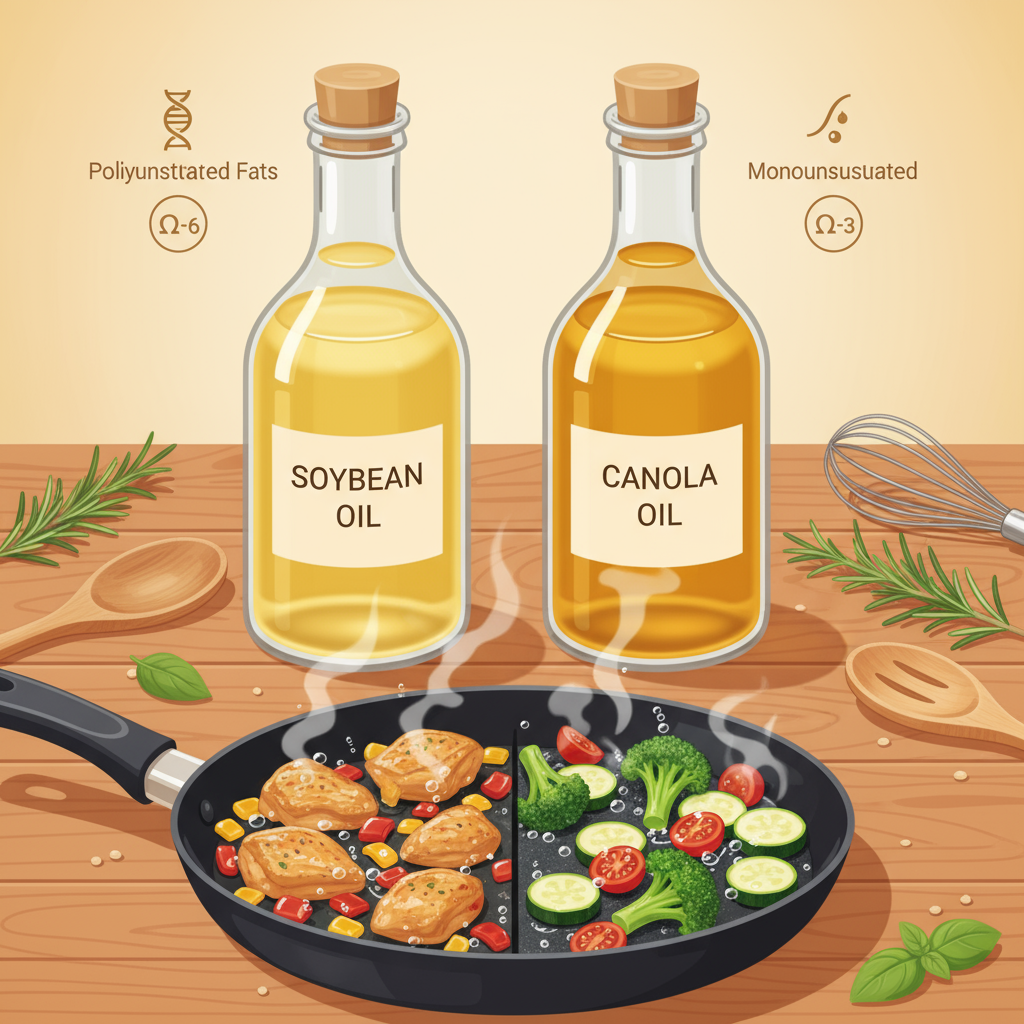
TL;DR Soybean oil and canola oil are both popular cooking oils with distinct nutritional profiles and culinary uses. While they are similar in calorie content, soybean oil is higher in polyunsaturated fats, whereas canola oil is r...
Does Soybean Oil Have Gluten? Understanding Its Safety for a Gluten-Free Diet
TL;DR Soybean oil is gluten-free as it is derived from soybeans, which do not contain gluten. However, caution is advised with processed soy products, as they may contain gluten due to cross-contamination or added ingredients. Alw...

Is Soybean Oil Keto-Friendly? A Comprehensive Guide
TL;DR Soybean oil is technically keto-friendly due to its zero carb content, making it suitable for a ketogenic diet. However, its high levels of polyunsaturated fats, particularly omega-6 fatty acids, raise health concerns. While...

Where Can I Buy Soybean Oil? A Comprehensive Guide
TL;DR Soybean oil is widely available at various retail locations and online. You can purchase it at grocery stores like Walmart, specialty food stores, and online platforms such as Centra Foods. It is commonly used for cooking an...
Ready to source an ingredient?
Whether you’re struggling to find the perfect ingredient, racing against the clock, or simply don’t have the bandwidth to manage sourcing — we’ve got your back.
Get a Free Sourcing Audit Reviews
Savings is BIG but the relationship value is MASSIVE! Glad we met when we did. Looking forward to building this partnership with you and David.
Yohan, here to say you’re one of my favorite suppliers. Aside from your high quality ingredients, you’re so great to work with. Thanks for all the help you’ve given us this year.
Working with Global Savors and Yohan has been very smooth when sourcing ingredients. They offer a great selection and and cost savings! Yohan has been awesome to work with and we look forward to continuing business together.






Global Savors is your trusted partner for seamless ingredient sourcing, offering end-to-end solutions that streamline procurement, simplify logistics, and elevate your supply chain efficiency.
View More News
© 2026 Copyrights by Global Savors. All Rights Reserved