

Does Soybean Oil Contain Phytoestrogens?
TL;DR
Soybean oil, a common cooking oil, is derived from soybeans but contains minimal phytoestrogens. While soybeans themselves are rich in isoflavones—plant compounds that can mimic estrogen—most of these compounds do not transfer into the oil during extraction. Therefore, soybean oil is not considered a significant source of phytoestrogens and is generally not classified as an endocrine disruptor, though caution is advised regarding its use in certain contexts.
Soybean oil is one of the most widely used cooking oils in the world, often found in processed foods, salad dressings, and as a vegetable oil blend. With growing health concerns surrounding dietary fats and hormonal health, many people are asking: does soybean oil contain phytoestrogens? This article explores the connection between soybean oil and phytoestrogens, providing clarity on this commonly misunderstood topic.
Phytoestrogens are plant-derived compounds that have a chemical structure similar to estrogen, allowing them to bind to estrogen receptors in the body. Isoflavones, found predominantly in soy products, are the most studied group of phytoestrogens. They are thought to have both estrogenic and anti-estrogenic effects, depending on the context of their consumption and individual hormonal balance (PMC4270274).
Research suggests that phytoestrogens may have various health benefits, including potential protective effects against certain hormone-related cancers. However, their efficacy and safety remain subjects of ongoing research, particularly for individuals with hormone-sensitive conditions (MD Anderson Cancer Center).
While soybeans are rich in isoflavones, the extraction process for soybean oil typically leaves these compounds behind. Most refined soybean oil contains negligible amounts of phytoestrogens, making it unlikely to exert significant hormonal effects when consumed (Typology).
Some sources label soybean oil as a potential endocrine disruptor due to its origins in soybeans, which are known for their isoflavones. However, the oil itself does not contain enough isoflavones to be considered a significant endocrine disruptor. The scientific community is still debating the potential effects of soybean oil, especially when it is reused for frying, which may lead to the formation of harmful compounds (Food for Breast Cancer).
Some studies have linked high consumption of soybean oil to increased breast cancer risk, primarily due to its high linoleic acid content rather than its phytoestrogen levels. Research indicates that women with higher levels of omega-6 fats, prevalent in soybean oil, may have an increased risk of breast cancer (Food for Breast Cancer).
When heated, particularly at high temperatures, soybean oil can produce harmful compounds that may contribute to various health issues. This is particularly concerning for individuals who frequently consume fried foods prepared with reused soybean oil (Food for Breast Cancer).
In summary, soybean oil is not a significant source of phytoestrogens due to the minimal transfer of isoflavones during its extraction process. While concerns about its impact on hormonal health exist, especially in the context of breast cancer and cooking methods, soybean oil is not officially classified as an endocrine disruptor. As with any dietary fat, moderation and awareness of cooking methods are key to maintaining health.
No, soybean oil contains minimal phytoestrogens. The extraction process leaves most of the isoflavones, which are the primary phytoestrogens found in soybeans, behind, making soybean oil not a significant source of these compounds.
Yes, high consumption of soybean oil has been linked to increased breast cancer risk, primarily due to its high linoleic acid content. Additionally, heating soybean oil, especially when reused for frying, can produce harmful compounds.
No, soybean oil is generally not classified as an endocrine disruptor. While it originates from soybeans, the negligible amount of isoflavones in the oil does not exert significant hormonal effects.
When cooking with soybean oil, it's important to be aware of the cooking methods. Avoid reusing oil for frying, as it can produce harmful compounds at high temperatures. Moderation is key for maintaining health.
 Get Wholesale pricingReduce ingredient costs by 5-10%

What Mayonnaise Does Not Have Soybean Oil?
TL;DR If you're looking for mayonnaise that does not contain soybean oil, there are several options available. Notably, Wildly Organic offers a soy-free mayonnaise made with MCT oil, olive oil, and sesame oil. Other brands like Si...

How Burning Soybean Oil Can Make This Bus Go
TL;DR Soybean oil is a key ingredient in biodiesel, a cleaner-burning alternative to traditional diesel fuel. Buses powered by biodiesel, which can be made from soybean oil, produce significantly fewer emissions compared to conven...
What Mayonnaise Does Not Have Soybean Oil?
TL;DR If you're looking for mayonnaise that does not contain soybean oil, there are several options available. Notably, Wildly Organic offers a soy-free mayonnaise made with MCT oil, olive oil, and sesame oil. Other brands like Si...
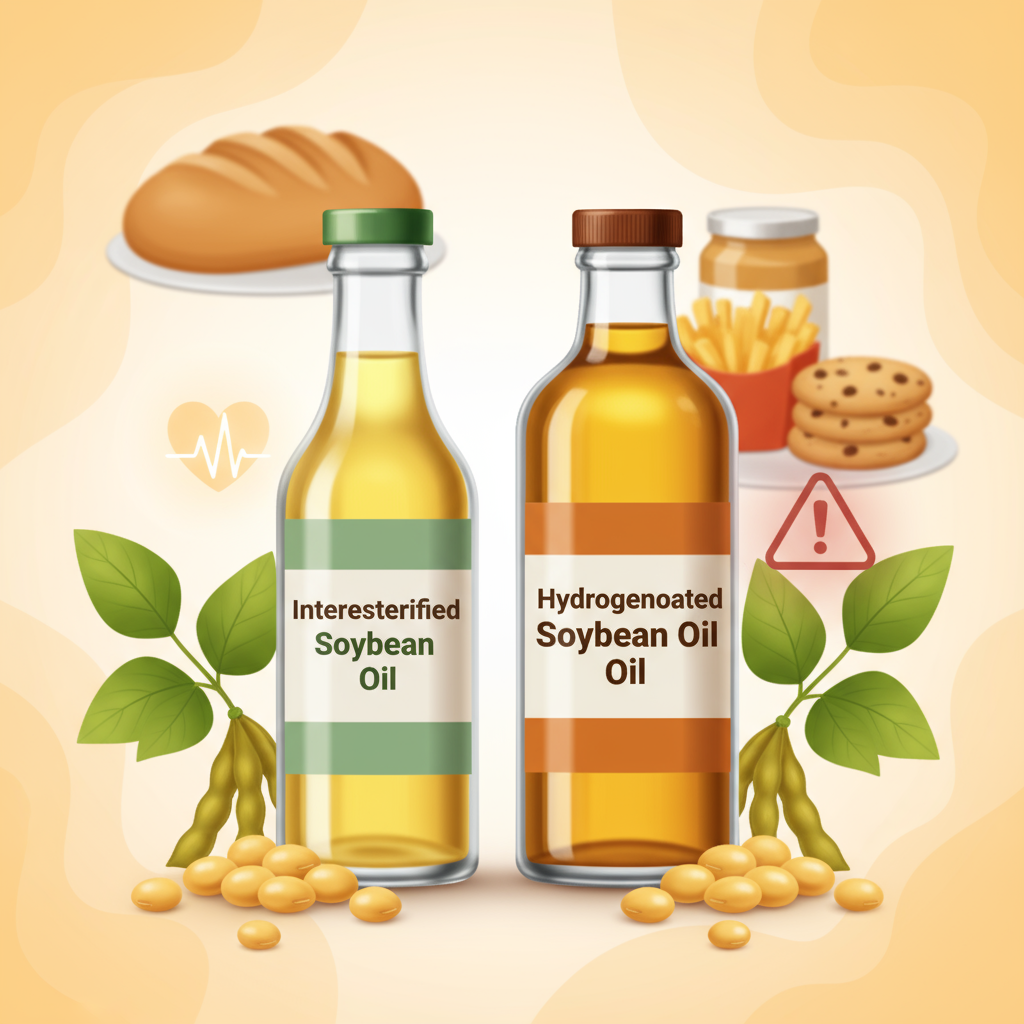
Interesterified Soybean Oil vs. Hydrogenated Soybean Oil: What You Need to Know
TL;DR Interesterified soybean oil and hydrogenated soybean oil are two types of fats used in food production. Interesterification involves rearranging fatty acids in triglycerides to modify their properties without creating trans ...
Ready to source an ingredient?
Whether you’re struggling to find the perfect ingredient, racing against the clock, or simply don’t have the bandwidth to manage sourcing — we’ve got your back.
Get a Free Sourcing Audit Reviews
Savings is BIG but the relationship value is MASSIVE! Glad we met when we did. Looking forward to building this partnership with you and David.
Yohan, here to say you’re one of my favorite suppliers. Aside from your high quality ingredients, you’re so great to work with. Thanks for all the help you’ve given us this year.
Working with Global Savors and Yohan has been very smooth when sourcing ingredients. They offer a great selection and and cost savings! Yohan has been awesome to work with and we look forward to continuing business together.






Global Savors is your trusted partner for seamless ingredient sourcing, offering end-to-end solutions that streamline procurement, simplify logistics, and elevate your supply chain efficiency.
View More News
© 2026 Copyrights by Global Savors. All Rights Reserved